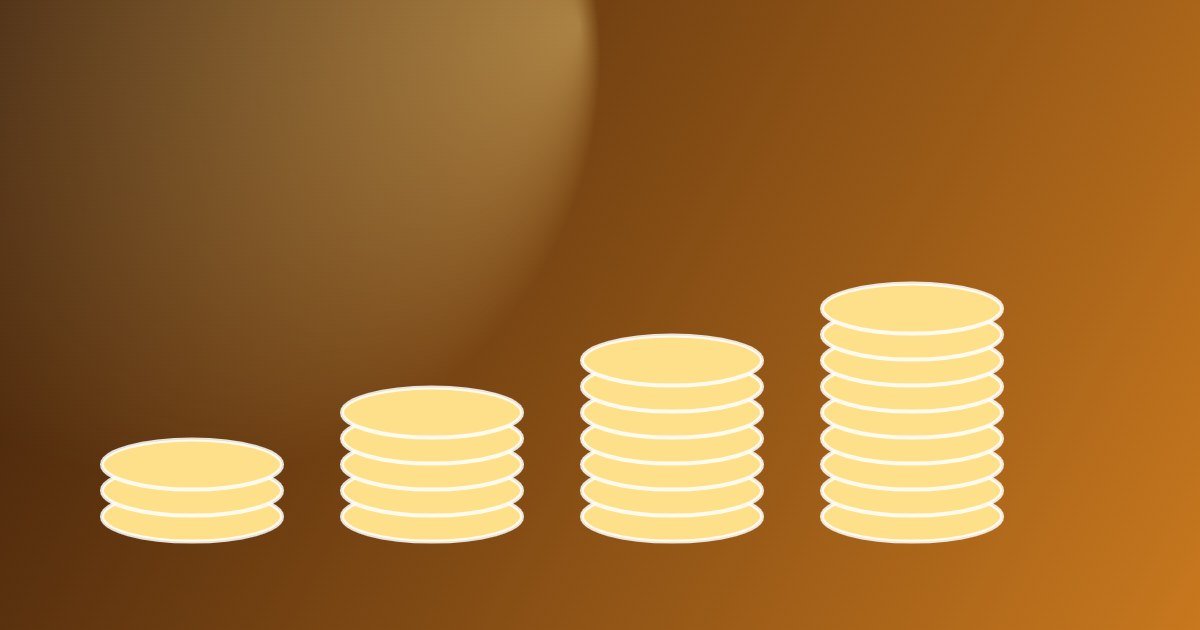

The power of compound interest is one of the best reasons to start investing early. It means your money earns money, and then that money earns more. Over many years, the effect can be surprising.
What compound interest means
Let us keep it simple. Say you put in 100 dollars and it earns 10 percent in a year. You now have 110 dollars. Next year, you earn 10 percent on 110, not on 100. That gives you 121 dollars.
See what happened? The second year you earned 11 dollars, not 10. The extra dollar came from last year’s gain. That is compounding. Your growth starts earning growth.
Compare that to simple interest, where you only earn on your original amount. Simple interest grows in a straight line. Compound interest curves upward. At first the difference is tiny. After a long time, it is huge.
Why time matters most
The secret ingredient is time. Compounding is slow at the start and fast at the end. Most of the growth shows up in the later years.
Picture a snowball rolling down a hill. At the top it is small. It picks up a little snow with each turn. By the bottom it is giant, because each turn adds more than the last.
Here is a simple example. Two friends invest the same amount each month and earn the same steady rate. One starts at 25 and stops at 35, then never adds more. The other waits until 35 and keeps going until retirement. The early starter can end up with more, even though they put in less money overall. Those first ten years had a long runway to grow.
This is not a promise about any exact result. Real returns bounce around. But the lesson holds. Starting sooner gives your money more time to work.
The three things you control
You cannot control the market. But you can control three things that drive compounding:
- Time. Start as early as you can, and stay in as long as you can.
- Amount. The more you put in, the more there is to compound.
- Consistency. Regular deposits add fuel again and again.
Of these, time is the one you cannot get back. If you are 22, you have a big edge. If you are 50 like me, you still have plenty of time. Many people live and invest for decades after midlife. So do not let age talk you out of starting. The best day to start is today.
Want to see it for yourself? Try our calculators. Change the years and watch what happens. It is eye opening to move a slider from 10 years to 30.
How to see compounding in real life
Compounding shows up in a few places. In a savings account, interest gets added to your balance, and then that bigger balance earns interest. In stocks, you can have your dividends reinvested, which means buying more shares with the payments you receive. More shares mean more future dividends.
Stock prices themselves also compound over time. If a company grows and its price rises, next year’s gain applies to a bigger base. Of course, prices do not rise in a straight line. They fall in some years. But over long stretches, patient investors have often been rewarded.
If you are unsure about a word like dividend, our glossary has plain explanations. It is worth a quick look.
The flip side: debt compounds too
I would be doing you a disservice if I left this out. Compounding works against you when you owe money. Credit card debt is a good example. If you carry a balance, interest gets added, and then you pay interest on that interest.
That is why high interest debt can feel like running up a down escalator. The balance grows even while you make payments. So it often makes sense to pay down expensive debt as part of your plan. Paying off a card that charges a high rate is like earning a guaranteed return equal to that rate.
Balance matters. Build a small emergency cushion, handle costly debt, and then let compounding work for you.
Even a great force can be wasted. Here are some ways people get in their own way.
Waiting for the perfect moment is the biggest one. Nobody can time the market well. Time in the market usually matters more than timing the market. Another mistake is pulling money out during a scary drop. That interrupts compounding and locks in losses. A third is chasing quick wins. Fast money schemes usually carry big risks and rarely beat patient, steady habits.
Fees also matter. Small yearly costs can chip away at growth over decades. Pay attention to what you are charged, and favor low cost options when you can.
Finally, do not get discouraged early. In the first few years, your balance may look small. That is normal. Remember the snowball. The big growth comes later, and only if you stay with it.
One last thought. Do not wait until you feel like an expert. You learn by doing, and small early steps teach you more than months of reading. Start modestly, watch your balance over a few years, and let the results encourage you.
Key takeaways
- Compound interest means you earn growth on your past growth.
- Time is the most powerful ingredient, so start as early as you can.
- Regular deposits and patience matter more than perfect timing.
- Debt compounds too, so handle high interest balances.
You do not need a lot of money to begin. You need a start date. Pick a small amount, set it on autopilot, and let time do its quiet work. Years from now, you will be glad you began today. I believe in you.
This is general education for US readers, not personal investment advice. Investing involves risk, including loss of money.