
This guide explains read a balance sheet in plain words. If the income statement tells you what a company earned, the balance sheet tells you what it has and what it owes. It is a snapshot of one moment in time, and it shows whether a business is sturdy or fragile. Many investors skip it because it looks dry. That is exactly why reading it well gives you an edge. Most of the companies that blow up do it on the balance sheet first, long before the headlines.
The simple structure
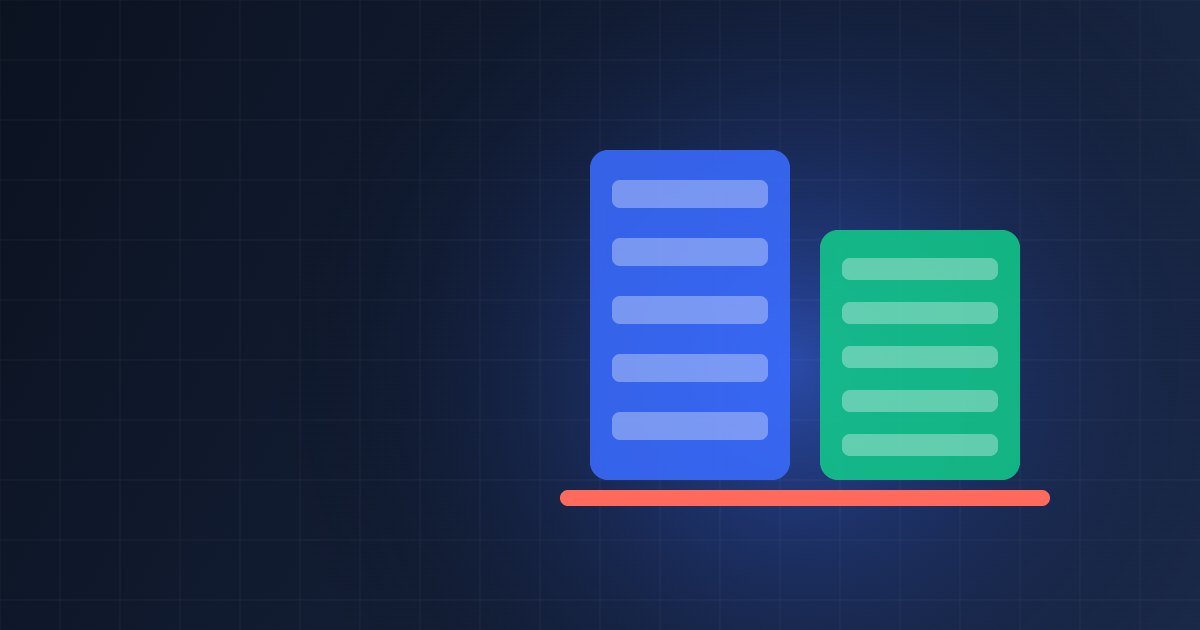
Every balance sheet rests on one equation: assets equal liabilities plus shareholders’ equity. Assets are what the company owns. Liabilities are what it owes. Equity is what is left over for the owners. If a company owns $500 million and owes $300 million, equity is $200 million. Everything else on the page is detail inside those three buckets.
Assets: what the company owns
Assets are split into current and non-current. Current assets can usually be turned into cash within a year. They include cash and equivalents, accounts receivable (money customers owe), and inventory. Non-current assets last longer: buildings, equipment, patents and goodwill.
Cash is the first line most investors check. A company with plenty of cash has options. It can survive a bad year, invest in growth and avoid emergency financing. Next, look at receivables. If receivables are growing much faster than sales, customers may be paying slowly, or the company may be booking sales that will never turn into cash. Then look at inventory. A pile of unsold products can be a warning sign, especially in industries where goods go out of style.
Goodwill deserves special attention. It appears when a company buys another company for more than the value of its identifiable assets. It is an accounting entry, not a thing you can sell. If goodwill is a large part of total assets, and the acquisitions do not perform, the company may have to write it down, which creates a big loss on paper.
Liabilities: what the company owes
Current liabilities are due within a year: accounts payable, short term debt, and the part of long term debt coming due. Long term liabilities include bonds, bank loans and lease obligations. The key question is simple: can the company pay what is due soon with what it has? Compare current assets to current liabilities. This is the current ratio. A ratio above 1 means the company has more short term assets than short term bills. Below 1 is a flag, though some businesses, like grocers, operate comfortably with low ratios because they collect cash quickly.
Debt and how to judge it
Debt itself is not bad. A reasonable amount can fuel growth. The danger is more debt than the business can service. Look at total debt compared to equity and compared to earnings. If a company earns $100 million before interest and taxes and owes $1 billion, it would take ten years of profit to repay, ignoring interest. Also check interest coverage: operating income divided by interest expense. If coverage is under 2 or 3, a small drop in earnings could make payments hard.
Pay attention to when debt matures. A company with a large amount due next year and no cash is in a risky position, especially if credit markets are tight. Many failures happen when a company cannot refinance.
Equity: what belongs to owners
Shareholders’ equity includes the money investors put in and the profits the company has kept over time, called retained earnings. Negative equity means liabilities exceed assets. Some strong companies have negative equity because of big share buybacks, so it is not always a disaster. But for a small company, it often means trouble. Also see how the share count has changed. If equity is rising only because the company keeps selling new shares, your ownership slice is getting smaller.
A walk through with made up numbers
Imagine Harbor Foods. It has $40 million in cash, $30 million in receivables, $50 million in inventory and $180 million in equipment, for $300 million in assets. It owes $60 million in short term bills and $120 million in long term debt, so liabilities are $180 million, and equity is $120 million. Current assets are $120 million against $60 million of current liabilities, a current ratio of 2. Debt to equity is 1. That looks reasonable. Now suppose receivables grew 40 percent while sales grew 5 percent. You would want to find out why. That kind of mismatch is the clue a balance sheet reveals.
Ratios worth knowing
You can build a useful view with four numbers. The current ratio measures short term strength. Debt to equity shows leverage. Interest coverage shows whether profits can handle the interest. And book value per share, equity divided by shares, gives a floor reference, though it can be misleading for companies whose real value is in brands or software rather than physical assets.
Red flags for small companies
With micro and small caps, check for these: cash less than a year of expenses, a “going concern” note from the auditor, large related party loans, convertible notes that can turn into many new shares, and rising liabilities while revenue is flat. Any one of them deserves a closer look. Several together is a reason to walk away. You can find the full statement in the company’s 10-Q or 10-K, free on the SEC’s EDGAR site, or on SEDAR+ for Canadian filers.
A ten minute habit
Pull up the latest balance sheet and compare it to the same date one year ago. Write down changes in cash, debt, receivables, inventory and equity. Then ask whether each change fits the story the company is telling. Over time you will develop a feel for what healthy looks like. It is a skill that protects your money, and it costs nothing but attention. Pair it with our guide on reading an earnings report and you will be reading companies better than most people who trade them.
Keep learning about balance sheet
Reading is a start, practice makes it stick. Run the numbers in our investor tools, test yourself in Stock Showdown, or follow the start here guides to see what to read next after balance sheet.
Further reading: Investor.gov from the U.S. SEC and the Canadian Securities Administrators investor education site offer free, independent guides for new investors.
Keep reading
- What Is a Stock? A Guide
- Financial Literacy for Families: A Simple Starter Plan
- What Is a 401(k) and How to Get Started
This article is for education only and is not investment advice. Do your own research and speak with a licensed professional before you invest.